Buying Property in Provence: What Foreign Buyers Should Really Check
Dernière mise à jour : 9 mai
Buying a house in Provence can be an incredible experience, but many foreign buyers underestimate the practical realities behind old stone homes, rural properties, swimming pools, land regulations, or long-distance ownership.
The South of France is not just about sunshine and beautiful landscapes. Behind the charm, there are important technical, legal, and practical points that deserve careful attention before signing anything.
This guide focuses on the concrete reality of buying property in Provence: what to verify, the most common mistakes buyers make, and how the French purchase process actually works in practice.
Table of Contents

The Most Important Things to Check Before Buying
Before falling in love with a property, it’s important to step back and verify a few essential points. Some issues are easy to overlook during visits, especially when buying from abroad, but can become expensive or stressful later.
This is particularly true when buyers focus mainly on the aesthetic charm of a home without fully considering how the property will actually fit their lifestyle, long-term plans, or day-to-day reality in Provence.
Understanding these differences early is essential, especially when deciding between traditional village houses, countryside estates, or larger Provençal villas designed for outdoor living. This is explored further in How to Choose Your Provençal Villa: Between Charm, Heritage and Lifestyle.
What to Check | Why It Matters |
Septic tank compliance | Older rural properties may require expensive upgrades if systems are non-compliant |
Swimming pool declarations | Pools or extensions are not always officially registered |
Roof condition | Renovating roofs in Provence can become very costly |
Property boundaries | Some countryside homes have unclear land limits or shared access |
Access roads | Narrow or difficult roads can create practical issues year-round |
Urban planning rules | Renovation or extension possibilities may be restricted |
Heating systems | Older systems can generate significant running costs |
Internet connection | Fibre access is not guaranteed in rural areas |
Flood or wildfire exposure | Certain parts of Provence are subject to natural risk zones |
Ongoing maintenance costs | Gardens, pools and outdoor areas require regular upkeep |
👉 Tip: a beautiful property can still hide practical complications. In Provence, charm and technical reality do not always evolve together.
Common Mistakes Foreign Buyers Make
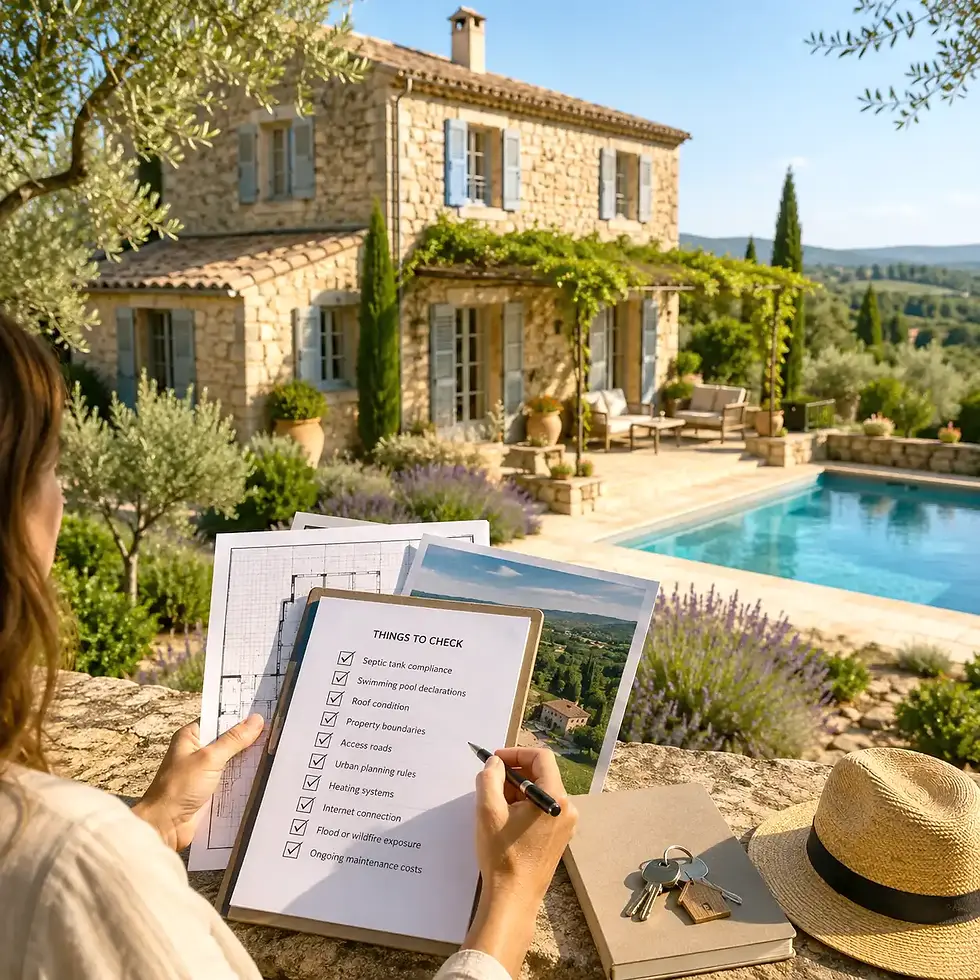
Falling in Love Too Quickly With the “Provence Dream”
This is probably the most common mistake.
Buyers often focus entirely on the atmosphere of the property, the stone façade, olive trees, views, or pool, while overlooking practical questions that matter just as much long term.
A house can feel perfect during a sunny summer visit and become much more demanding once everyday reality sets in.
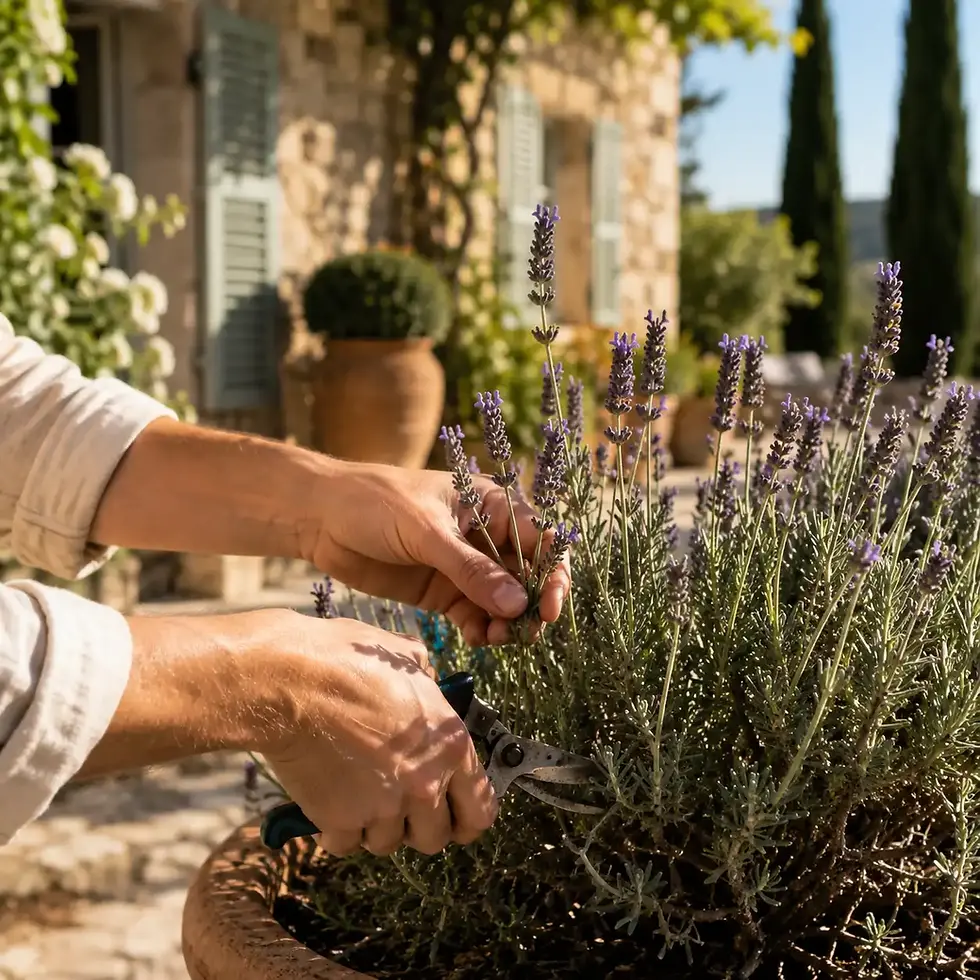
Underestimating Maintenance
Owning a villa in Provence is very different from owning an apartment in a city.
Pools require monitoring. Gardens suffer from drought and heat. Shutters, terraces, roofs and irrigation systems need regular attention, especially when the property is empty part of the year.
This is one of the reasons many buyers eventually look for local support after the purchase.
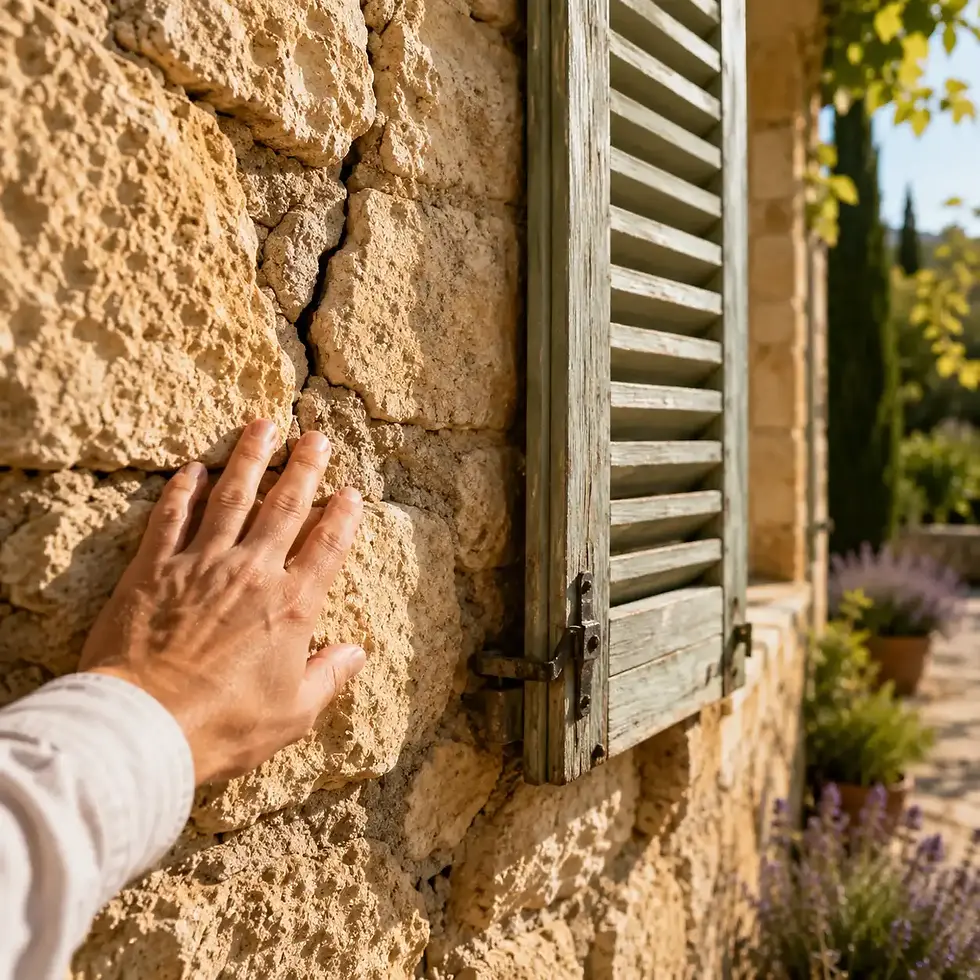
Assuming Old Houses Have No Constraints
Many buyers dream of authentic Provençal stone houses and understandably so.
But older homes may also involve:
humidity issues
outdated electrical systems
poor insulation
roof repairs
drainage problems
septic tank upgrades
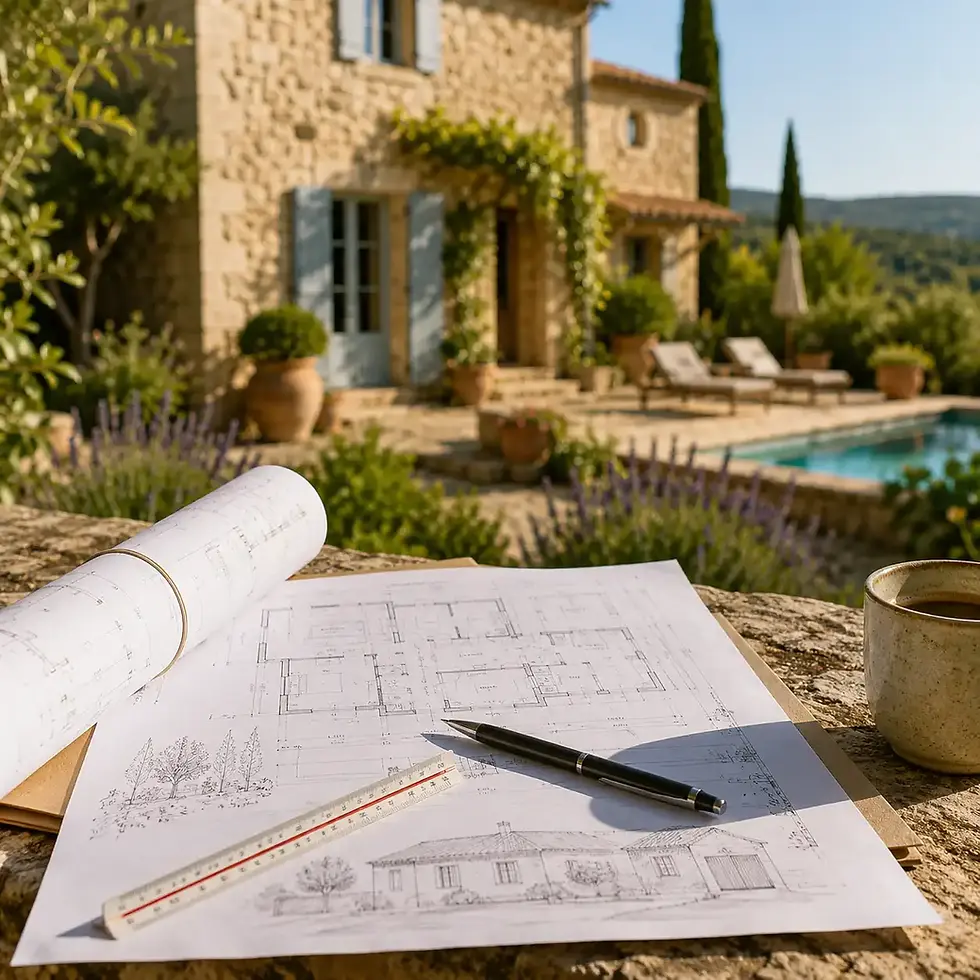
Ignoring Local Regulations
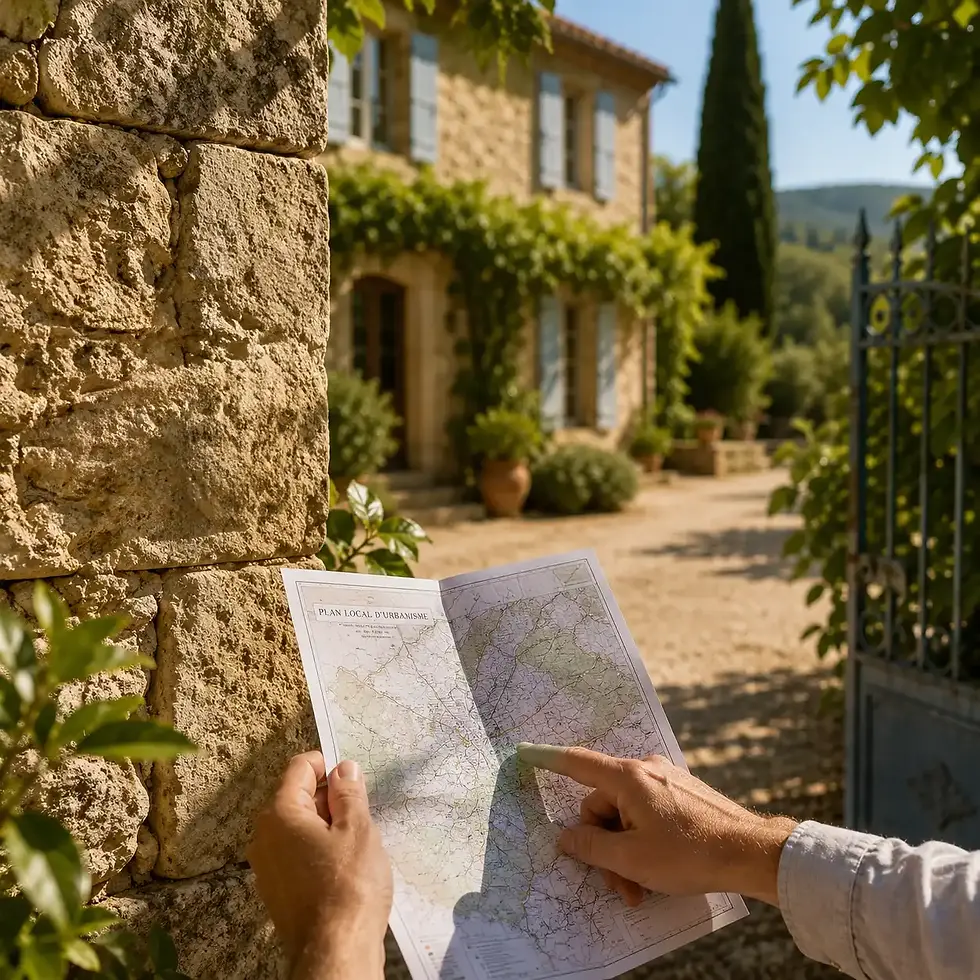
Planning rules in France can be stricter than many foreign buyers expect. Even small modifications may require declarations or approvals, especially in protected villages or countryside areas.
This becomes particularly important for buyers considering:
renovations
extensions
swimming pools
seasonal rentals
guest houses
Understanding these constraints early is essential before committing to a project.
Buying Remotely Without Local Guidance
Many foreign buyers purchase from abroad and underestimate how difficult it can be to manage everything remotely.
Having someone locally who understands the area, the property, and the practical realities of ownership often becomes invaluable after completion.
This is especially true for buyers who do not live in France year-round.
Specific Things to Watch in Provence Villas
Buying property in Provence involves specific realities linked to the region itself.
These details are often underestimated by foreign buyers because they are less common in urban or northern European markets.
Septic Tanks and Rural Properties
Many countryside homes in Provence are not connected to the public sewage network.
Instead, they rely on individual septic systems (“fosse septique”).
These systems must comply with French regulations, and upgrades can sometimes represent a significant additional cost after purchase.
👉 Tip: always request the latest compliance report before signing.
Wildfire Risk
Certain areas of Provence are exposed to seasonal wildfire risks, particularly during summer.
This does not necessarily make a property unsuitable, but buyers should understand:
local prevention obligations
vegetation clearing requirements
insurance implications
accessibility for emergency services
This is part of the practical reality of owning property in Southern France.
Swimming Pools and Outdoor Areas
Pools are often one of the main reasons buyers choose Provence villas, but they also require maintenance, compliance, and security measures.
Buyers should verify:
whether the pool was officially declared
safety compliance
leak risks
equipment age
ongoing maintenance requirements
Large outdoor spaces can also become surprisingly time-consuming to maintain from abroad.
Older Stone Houses
Traditional Provençal houses are beautiful, but they may hide structural or technical complexities behind their charm.
Special attention should be paid to:
roofs
insulation
humidity
drainage
ventilation
electrical systems
The goal is not to avoid older homes, many are exceptional, but to fully understand what ownership actually involves.
How the Buying Process Works in France
Compared to some countries, the French process is highly structured and legally supervised.
While it may feel slower at first, this framework is designed to secure the transaction for both parties.
Here is how the process usually works in practice:
Step | What Happens |
Offer accepted | Negotiations become formal |
Preliminary contract signed | Conditions and timelines are fixed |
Cooling-off period | Buyer can withdraw within 10 days |
Legal checks | The notary verifies all documents |
Financing period | Mortgage approval if applicable |
Final deed signature | Ownership officially transfers |
Most transactions take between two and three months from accepted offer to final signature.
The process is supervised by a notary, a neutral public officer responsible for securing the transaction legally and registering the sale with French authorities.
Beyond the legal process itself, foreign buyers should also anticipate the financial and tax implications linked to ownership in France, especially when purchasing a second home or investment property. These aspects are explored in more detail in Investing in Provence: How French Taxation Works for Foreign Buyers.
What Happens After the Purchase?
Many buyers focus entirely on the acquisition itself and only later realise that ownership in Provence requires ongoing organisation. For international owners, this often becomes one of the key realities of managing a second home in the South of France.
In practice, this often includes:
managing utilities and local taxes
maintaining pools and gardens
monitoring the property during absences
coordinating repairs
staying compliant with local regulations
Why Local Knowledge Matters
Buying property in Provence is not simply a legal transaction, it is also a long-term practical commitment. The region has its own realities, from rural infrastructure and planning regulations to climate-related maintenance and seasonal property management.
Understanding these elements before buying helps avoid many of the difficulties foreign owners encounter later.
This is precisely why local guidance often becomes as important as the transaction itself.
At Var Villas Management, the goal is not only to help buyers navigate the purchase process, but also to assist them with the practical side of ownership in Provence, especially for owners managing a property from abroad.
When expectations are clear from the beginning, buying property in the South of France becomes what it should be: an exciting and secure long-term project.
A Personal Note 💬
💡My advice
If I had one recommendation to share, it would be this: think about post-purchase management before you buy. Understanding how the property will be maintained, monitored, and managed from day one makes ownership far more enjoyable and avoids unnecessary stress later on.
🌍 Did you know?
In France, property owners remain legally responsible for their home even when it is empty or managed by a third party. This is why anticipating maintenance and compliance obligations is just as important as securing the purchase itself.



Commentaires