Why Provence Rosé Is So Loved
Provence rosé is so appreciated because it captures something rare: sunshine without heaviness, flavor without excess, and elegance without effort. It tastes like warm days, long lunches, salty air, and time slowing down — and that feeling is not accidental. It comes from a place, a climate, and a way of living.
The first time I truly understood Provence rosé, it wasn’t during a tasting room visit or a technical explanation. It was at lunch.A simple table, light bouncing off pale stone walls, cicadas in the background, olive trees barely moving in the heat. The rosé arrived already chilled, beads of condensation on the bottle. No speech. No ceremony. Just glasses, food, and sun.
That moment explains more about Provence rosé than any technical guide ever could.
Here, rosé is not a trend or a summer marketing invention. It’s part of everyday life.
Table of contents

Provence: a land made for rosé
Provence is warm, but never aggressive. The sun is generous, almost constant, yet the heat is softened by the sea. In the afternoon, a light breeze comes down from the hills, carrying the scent of salt, pine, and dry herbs. Even in summer, the air moves. Nothing feels stagnant.
The soil plays its part too. Pale limestone, rough stones, dusty paths that glow in the light. These soils don’t drown the vines; they challenge them gently, forcing roots to go deep, to search, to find balance. Just enough water. Just enough stress. Exactly what vines need to express themselves without excess.
Rosé feels like the natural answer to this landscape. It doesn’t try to resist the climate, and it doesn’t overpower it. White wines can feel sharp under such a strong sun. Red wines can become dense, sometimes overwhelming. Rosé finds the space in between. It stays fresh when the days are long, but it still carries the warmth of the land in every sip.
There’s something instinctive about it. Almost obvious. As if Provence itself quietly decided what kind of wine it wanted to make.
And that’s why rosé is everywhere here. On shaded terraces at lunchtime, on long wooden tables at the end of the day, on stone steps when the heat finally fades. It’s poured without ceremony, but never without care. Because in Provence, rosé isn’t a seasonal choice or a fashionable one — it’s simply the wine that belongs.
It tastes like sun without weight. Like warmth without fatigue. Like a place that knows exactly how to stay in balance.
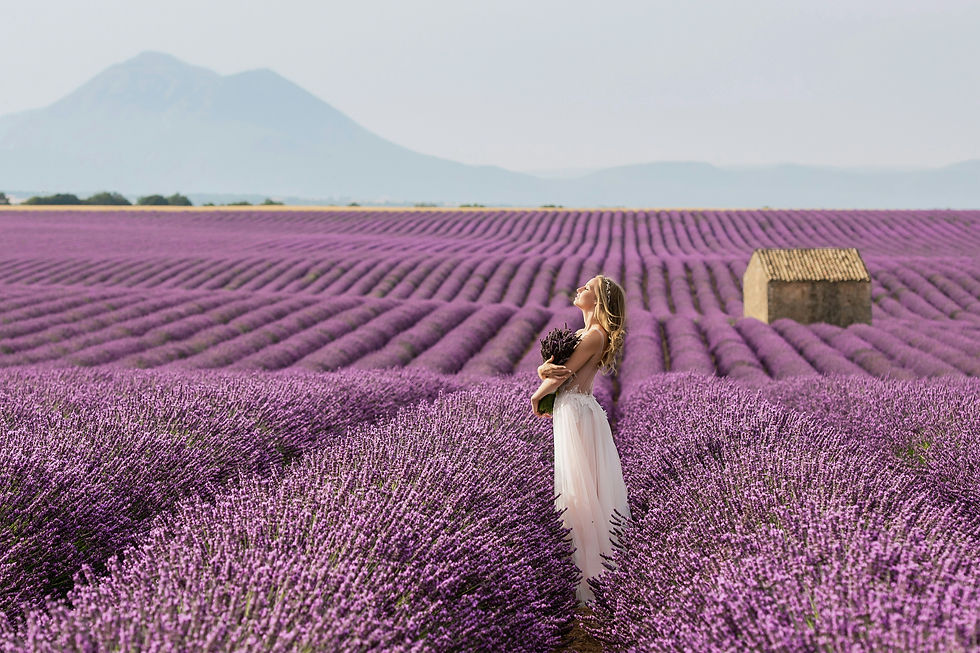
This intimate relationship between land, climate and wine is what makes Provence so singular. From the gentle hills of the Var to the lavender-scented plateaus of the Luberon, the region tells its story glass after glass — a journey we explore in more depth in our dedicated guide to Provence’s vineyards and wine culture.
Why Provence rosé looks so pale (and why that matters)
I often see people pause over a glass of Provence rosé before they even taste it.That very pale pink — sometimes almost transparent — always triggers the same reaction: “Is it really supposed to look like that?”
And the answer is yes. Absolutely.
Over the years, tasting rosés directly at wineries or sharing a bottle on a terrace in the late afternoon heat, I’ve learned that this color is never accidental. It’s not chosen to look pretty in the glass. It’s the result of intention.
In Provence, the grape skins stay in contact with the juice for a very short time — sometimes just a few hours. That brief moment is enough to capture aroma and freshness, without pulling out heaviness, bitterness, or excessive tannins. You get flavor, but it stays light.
Precise. Clean.
What I find striking is that no one here is chasing intensity for its own sake.The goal isn’t power. It’s balance.
And once you start paying attention, you realize that this mindset goes far beyond the color of the wine. It runs through everything in Provence winemaking — restraint, freshness, and a quiet confidence that doesn’t need to shout to be noticed.
The grapes behind the flavor
French wines are defined by place more than grape, but Provence rosé relies on a small family of varieties that work beautifully together.
Grenache – brings warmth, roundness, and red-fruit notes
Cinsault – adds finesse, floral aromas, and lightness
Syrah – contributes structure and subtle spice
Mourvèdre – depth and seriousness, especially in wines from Bandol
What matters most is the blend. No single grape dominates. The wine is built the way a Provençal meal is built — layers, not excess.
What Provence rosé really tastes like
Close your eyes and think less in terms of flavors, more in sensations.
Provence rosé is usually dry. Very dry.It feels cool on the palate, even in the heat. You’ll notice citrus, white peach, wild strawberries, sometimes herbs that echo the garrigue — thyme, rosemary, dry grasses warmed by the sun.
There’s often a slight saline edge, especially in coastal wines. That subtle reminder of the sea is one of the things people remember long after the glass is empty.
Of course, wine is only part of the story. Provence's culinary traditions are equally rooted in the local landscape, from olive oil and fresh vegetables to seafood, herbs and market produce. To discover the dishes and flavours that naturally accompany the region's wines, explore our guide to traditional Provençal foods, local markets and regional specialities.
When rosé is actually drunk in Provence
One of the biggest misunderstandings is thinking rosé is reserved for parties or special occasions.
In Provence, rosé is for:
Long lunches that turn into afternoons
Simple dinners with grilled fish or vegetables
Late afternoons when the heat finally softens
Conversations that don’t need an ending
It’s not about celebration. It’s about continuity — wine as part of the day, not the highlight of it.
That’s why Provence rosé is so food-friendly. It’s made to sit at the table, not dominate it.
A final thought
Provence rosé isn’t trying to impress you.It doesn’t shout. It doesn’t compete.
It simply invites you to sit down, slow down, and stay a little longer.
And maybe that’s why, once people understand it, they keep coming back to it — glass after glass, summer after summer.
A Personal Note 💬
💡My advice
Serve Provence rosé cool, but not ice-cold. Let it open gently in the glass, especially in the evening. It’s a wine made for simple moments, not for ceremony.
🌍 Did you know?
Nearly 90% of Provence’s wine production is rosé. Long before it became a trend, pale rosé was simply the natural style of the region.



Commentaires